University chemistry tutoring
University chemistry splits into organic, physical and inorganic, and most students find one of them much harder than the others. A chemistry graduate tutor works on the branch that is holding you back, from organic mechanisms to the mathematics of physical chemistry.
Online - undergraduate chemistry
What every programme includes
- ✓ Organic mechanisms and synthesis problems
- ✓ Spectroscopy: NMR, IR and mass spectrometry
- ✓ Physical chemistry: thermodynamics and kinetics
- ✓ Quantum chemistry and bonding theory
- ✓ Inorganic chemistry and coordination complexes
- ✓ Lab write-ups: data handling and error analysis
Lesson times in your time zone
Weekdays 3pm-9pm after school · Weekends 8am-8pm, your local time. Pick the slot when you book.
How we teach university chemistry
Organic chemistry is taught as a small set of patterns that explain hundreds of reactions; physical chemistry as the maths behind energy and rates; spectroscopy as a puzzle you learn to solve step by step.
We teach the ideas and the methods; we never write or complete assessed work. Since April 2022 it has been a criminal offence in England to provide or advertise paid essay-writing and other cheating services to students, and universities treat contract cheating as serious misconduct.
- ✓ Curly-arrow mechanisms from first principles
- ✓ Structure determination from spectra
- ✓ Thermodynamics and kinetics with the maths explained
- ✓ Exam-style problems under time
UK degree classifications
| Class | Final weighted average |
|---|---|
| First | 70% and above |
| Upper second (2:1) | 60% to 69% |
| Lower second (2:2) | 50% to 59% |
| Third | 40% to 49% |
Boundaries as published by UK universities such as Loughborough; each university sets its own rules on borderlines and which years count.
A typical term of university chemistry tutoring
- 1
Week 1
Find the branch and topics that are costing you marks.
- 2
Weekly
Lecture content reworked, then similar problems solved by you.
- 3
Mid-term
Spectroscopy and mechanism practice on unseen problems.
- 4
Revision
Past exam papers under time and the marking criteria.
Tutors for this programme
Abdi Musa
Bachelor of Science in Mathematics, University of Washington Bothell
4 yrs experience
GCSE / A-Level (UK)
View profile →
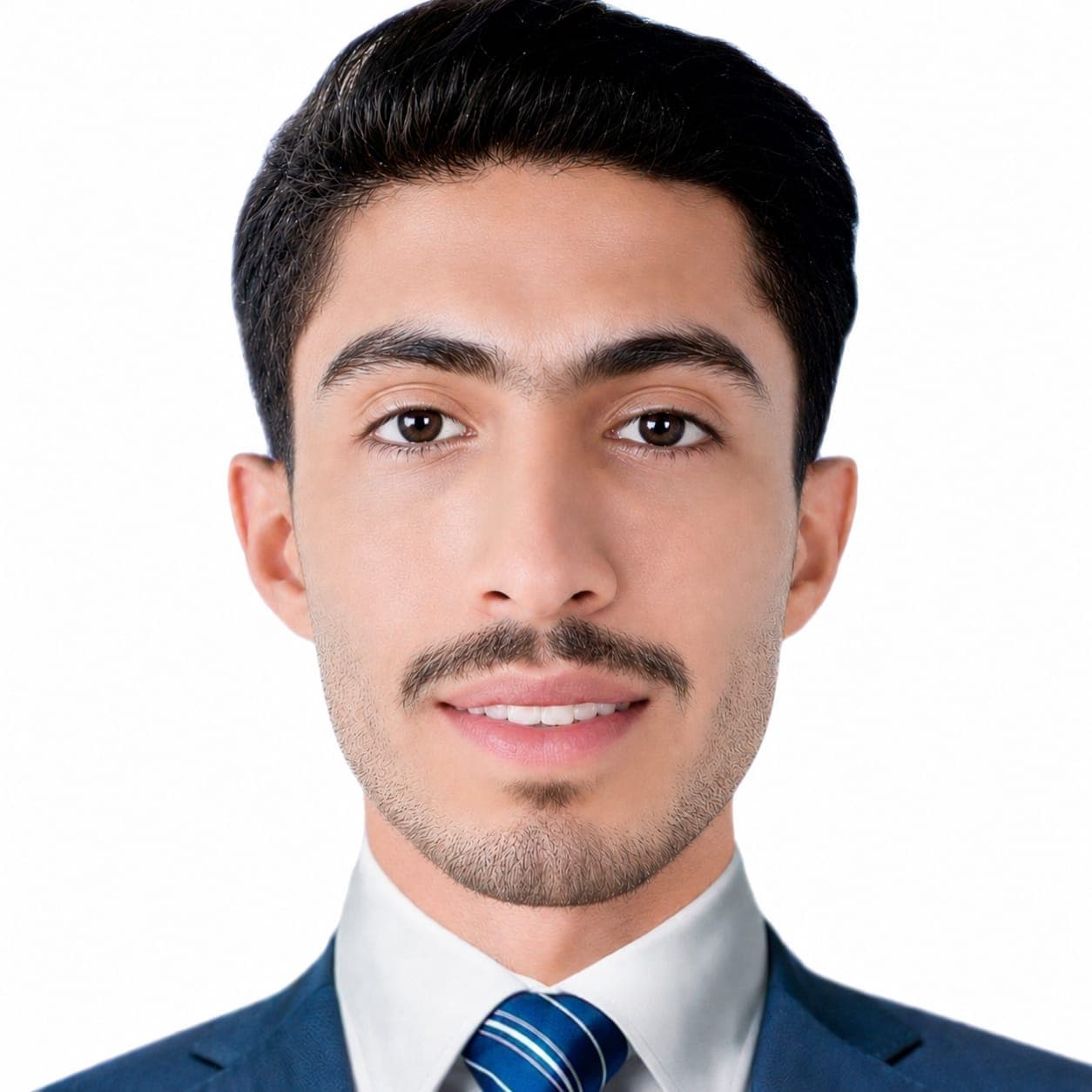
Muhammad Faisal
BS Physics, Quaid-i-Azam University, Islamabad
5 yrs experience
GCSE Science · A-Level Physics · NAPLAN
View profile →
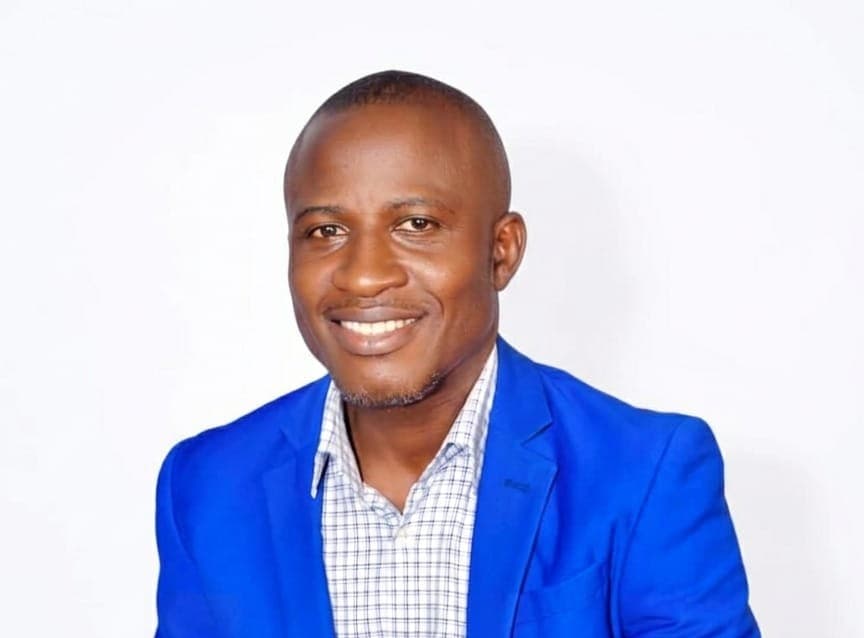
IYAMAH SUNDAY EMMANUEL
Bachelors of Science in Physics, Obafemi Awolowo University
15 yrs experience
GCSE · A-Level · 11+
View profile →
Common questions
Which branches of chemistry do you cover?+
Organic, physical and inorganic chemistry, plus spectroscopy and analytical chemistry, mainly at first- and second-year level.
I find physical chemistry hard because of the maths. Can you help?+
Yes. Tutors teach the maths methods (logarithms, calculus, rearranging) inside chemistry problems.
Will you write my lab report?+
No. Tutors explain how to analyse and present data so you can write it yourself.
Do you help pharmacy and biochemistry students?+
Yes, with the chemistry modules on those degrees.
Can I try a session first?+
Yes. Two free 30-minute demo classes.
Sources
Facts on this page were checked against these sources on 2026-10-08.
Helpful guides
Related programmes
Try a free class this week
Meet the tutor, see the plan, decide after. No card required.
Book a free demo →